

Buying a Whole (or Half) Cow in Ireland

The Complete Guide

How to choose your farmer, your butcher, your breed — and what to expect before you buy.

Buying a whole cow (or half cow) butchered for your freezer is becoming more common in Ireland. With rising food costs, families want better value, better quality, and full traceability. But many don’t know where to start.

This guide explains how whole-cow buying works, how pricing is calculated, what you actually take home, and what to look out for — including the Brave Herder Standard for truly exceptional Dexter beef.
1. Finding a Farmer & Butcher

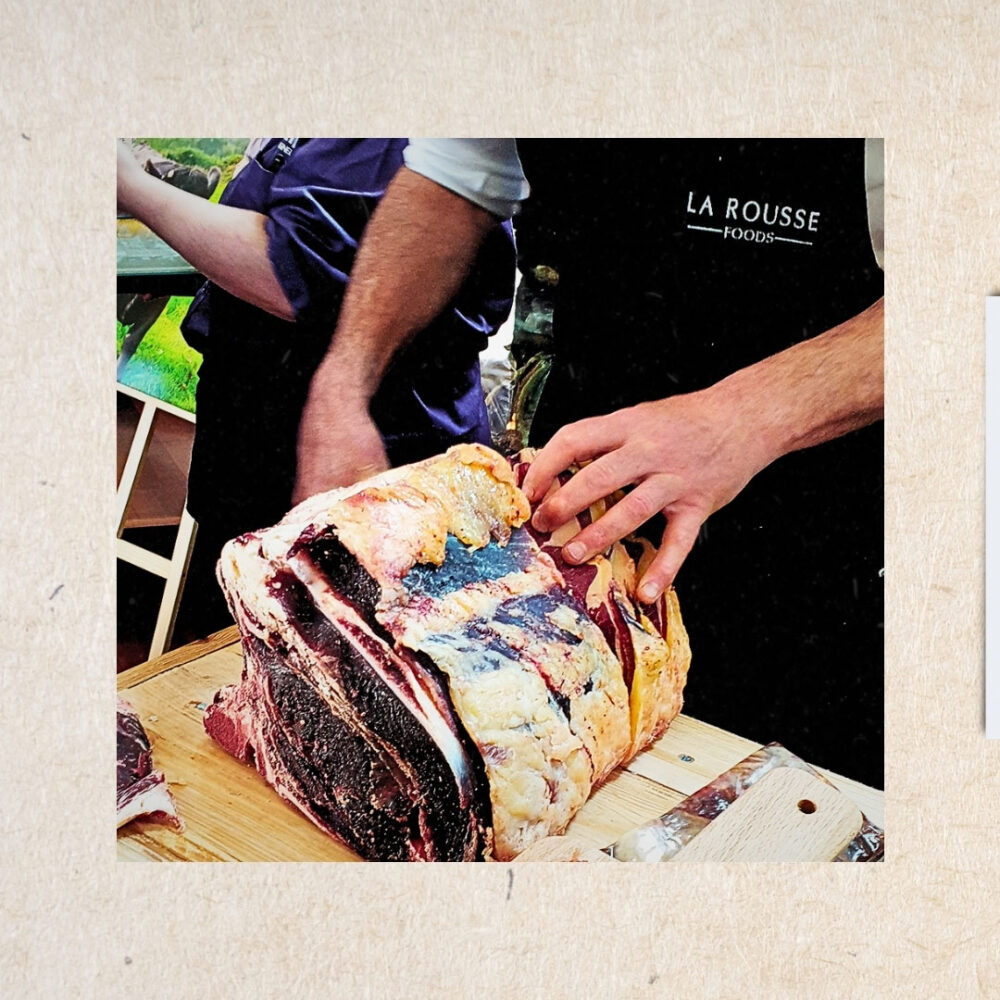
This is where most people get stuck! Most Irish farmers don’t have year-round supply, and many aren’t used to selling whole animals directly to households. Likewise, not every butcher offers full carcass breakdown — it takes space, time, and real skill.

But don’t let that put you off. With a bit of calling around (or the right contacts), it’s absolutely doable.

If you’re buying a whole cow, your first steps should be:

1. Call the farmer

A quick chat tells you more than any website:

The breed
The age
How the animal was fed
When it will be ready
How the farmer handles the process

You’ll know in minutes whether they’re the right fit.

2. Ask the butcher if they handle full carcasses

Not all do. Some only do partial cuts, and many will want notice — plus direct contact with the farmer for timing and logistics. A butcher who’s comfortable with full beef will happily walk you through cut options and freezer planning.

2. Understanding Cost: Hanging Weight vs Butchered Weight

Most Irish cattle are priced using hanging weight. This is the weight of the carcass after slaughter, usually 55–60% of the live weight.

It’s not a trick — it’s simply the standard system used across Ireland.

Typical Example (Angus/Hereford)

  • Hanging weight: ~350kg
    Farmer price (2025 typical): ~€10/kg
  • Total to farmer: €3,500

Butcher Fee

Cutting a full carcass is slow, skilled work. Expect:

  • €350–€450 for a full Angus/Hereford

Total cost: approx. €4,000.

For many families, that’s not realistic — which is why many buyers either choose half-cow options or smaller breeds, like Dexter.

Dexter Example — Brave Herders Prices

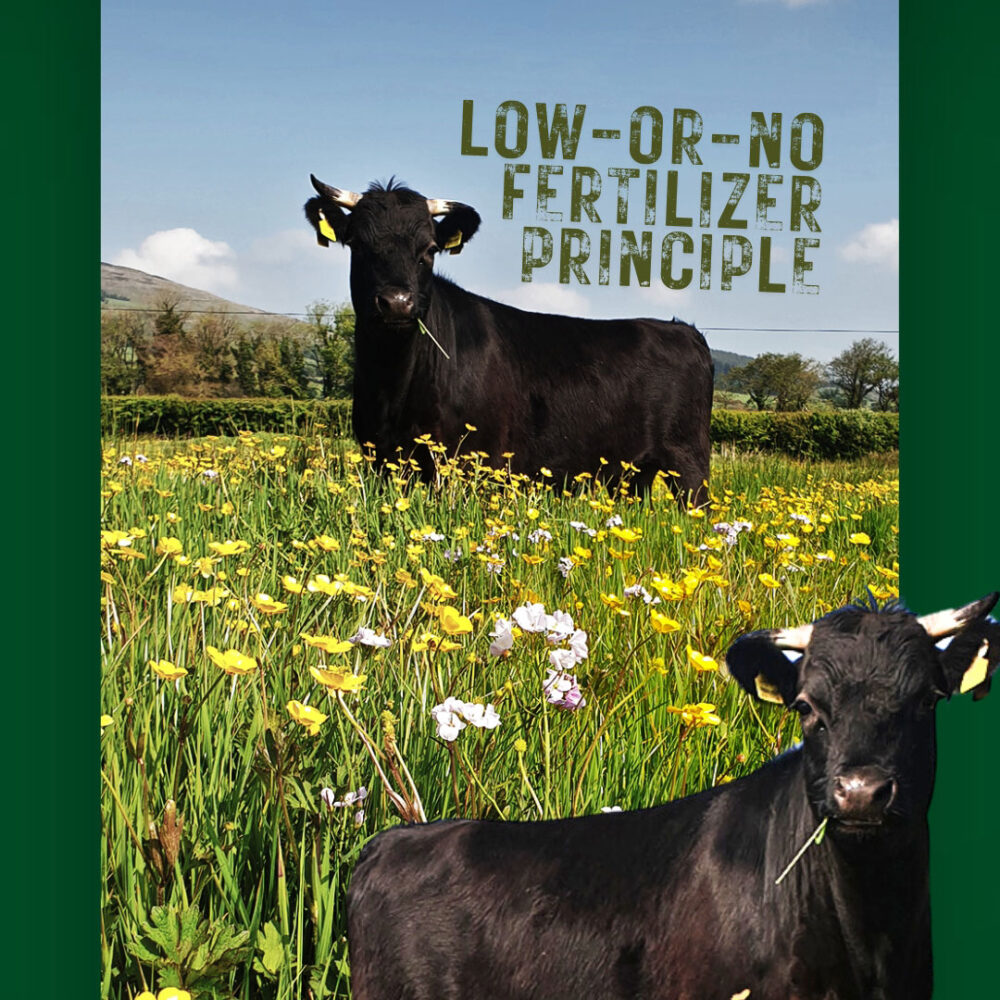
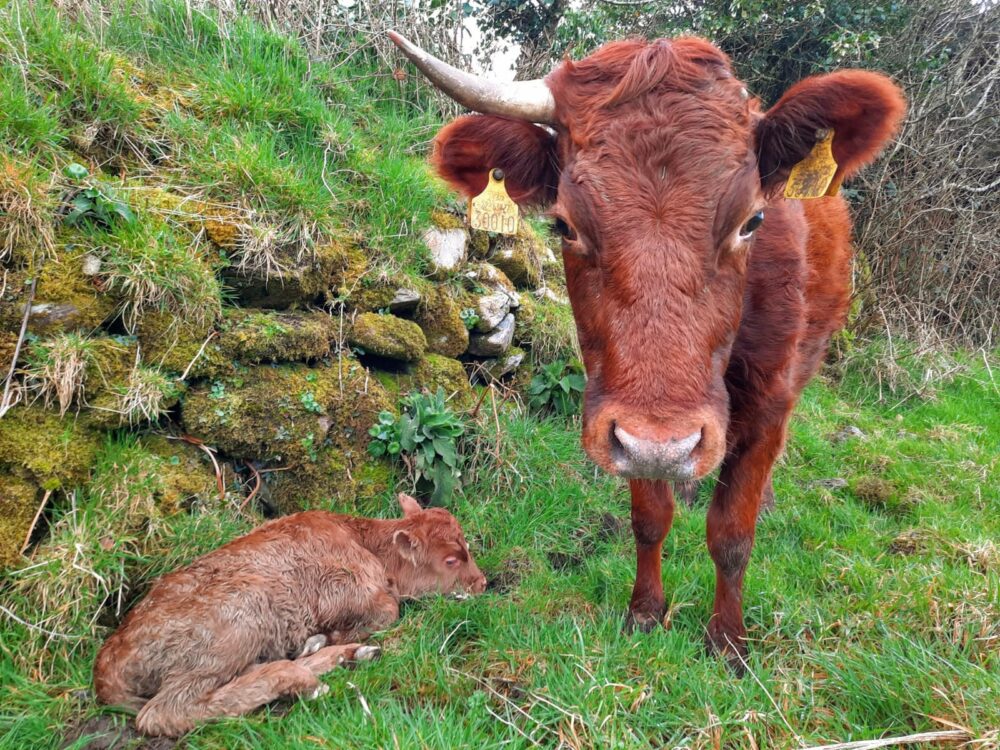
Dexter cattle are naturally ~50% smaller, making them:

  • better value
  • easier to store
  • easier to portion
  • ideal for families

Full Dexter: €1,900
Half Dexter: €950
(Butcher costs vary depending on your location)

3. Hanging Weight → Take-Home Weight

Once the butcher trims, bones, and packages the meat, you’ll end up with about 55–65% of the hanging weight as usable beef.

Example (Angus/Hereford)

350kg hanging weight → ~200kg take-home beef

Example (Dexter)

Approx. half the above →

  • Full Dexter: ~100kg take-home
  • Half Dexter: ~50kg take-home
4. What Cuts You Actually Get

Your choices matter. If you want more mince, you’ll get fewer steaks. If you want big roasts, you’ll have fewer striploins. Not all cuts can exist at once — it’s one animal.

As a rule of thumb:

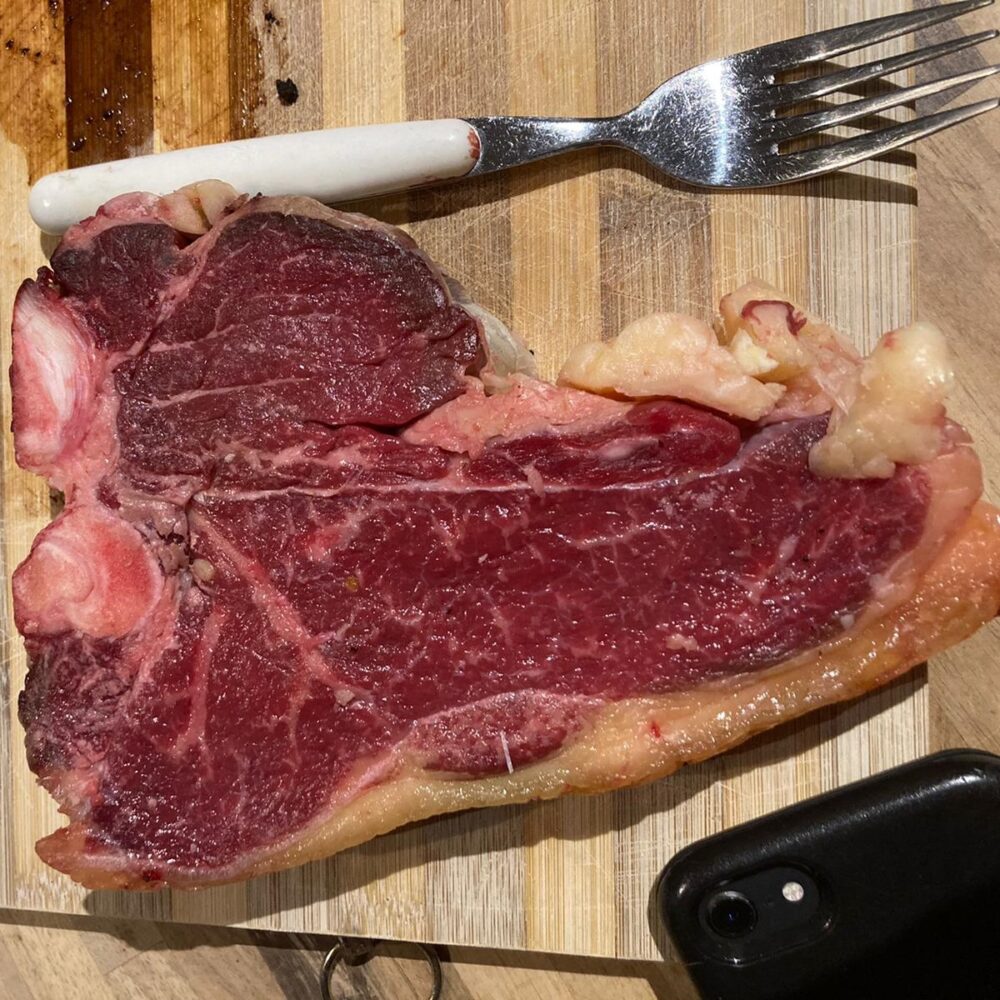
  • 25% Steaks (fillet, striploin, sirloin, T-bone, etc.)
  • 25% Roasts (round roast, rib roast, chucks, etc.)
  • 50% Trim (mince and/or burgers)

Example — Angus/Hereford (~200kg take-home)

  • ~50kg steaks
  • ~50kg roasts
  • ~100kg mince/burgers

Example — Dexter (~100kg take-home)

  • ~25kg steaks
  • ~25kg roasts
  • ~50kg mince/burgers
Steaks
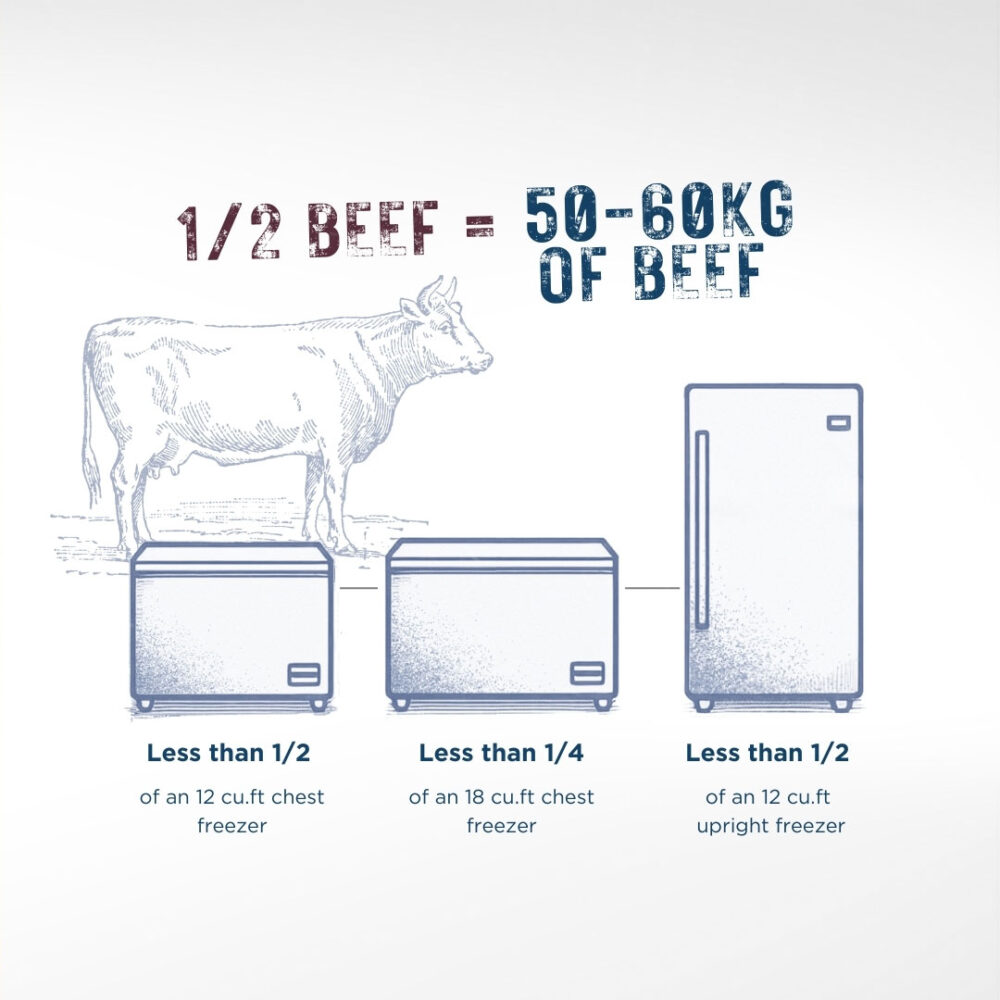
5. Freezer Space — What You Need

This varies hugely, but as a guide:

  • Angus/Hereford (200kg): full large chest freezer
  • Full Dexter (100kg): half chest freezer
  • Half Dexter (50kg): small chest freezer or large kitchen freezer

This is one of the reasons Dexters are the “family cow” — the meat actually fits.

6. Will You Save Money?

That depends on how you currently buy beef.
If you buy supermarket specials, your savings may be modest. If you buy consistent high-quality Irish beef, your savings can be significant — often 40–60% cheaper than retail for a similar grade.

But what you absolutely gain is:

  • full traceability
  • consistent quality
  • grass-fed Irish beef at home year-round
  • zero surprises about how the animal lived
7. How to Judge Animal Quality

You can tell a huge amount by talking to the farmer.

Look for:

  • Majority grass-fed
  • Low-stress handling
  • Small Herds
  • Healthy pasture & natural environment
  • Correct fat score (3–4) at slaughter

Fat score matters.

  • 1–2 = not ready
  • 5 = too fat = less value
  • 3–4 = perfect Irish beef
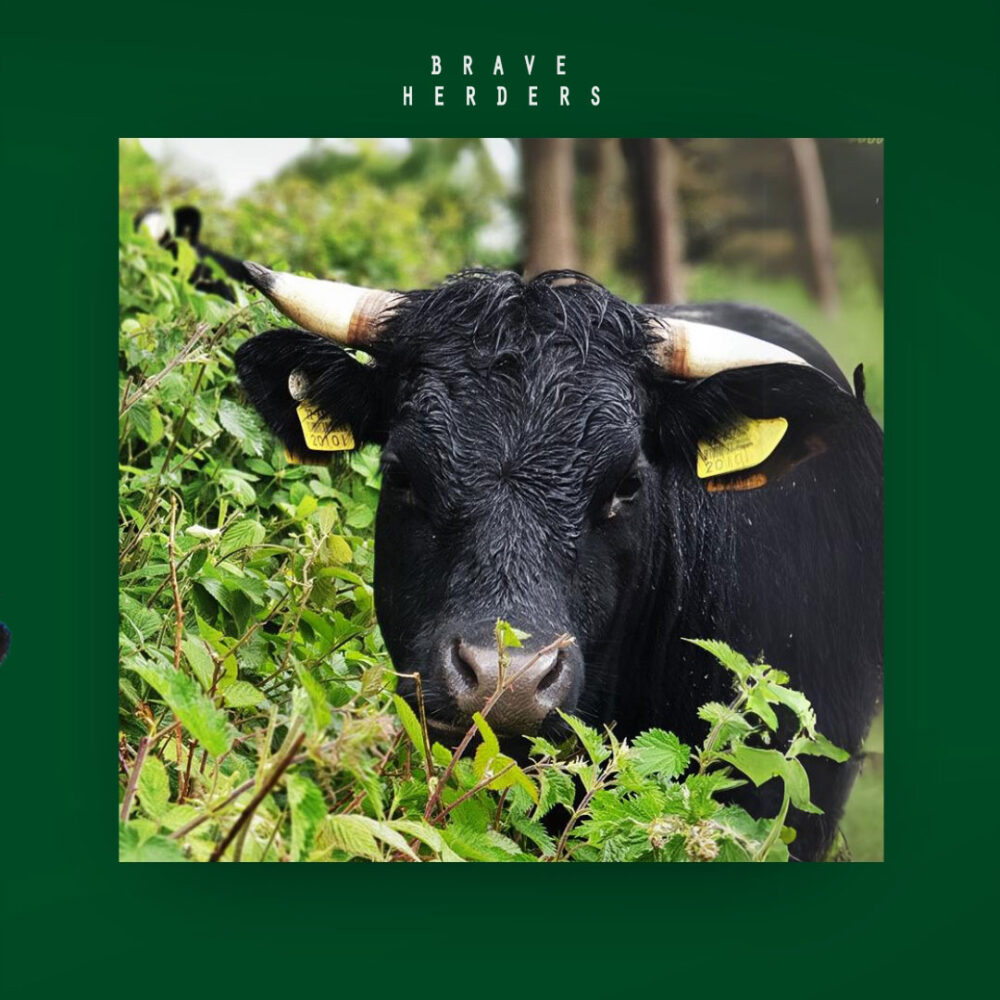
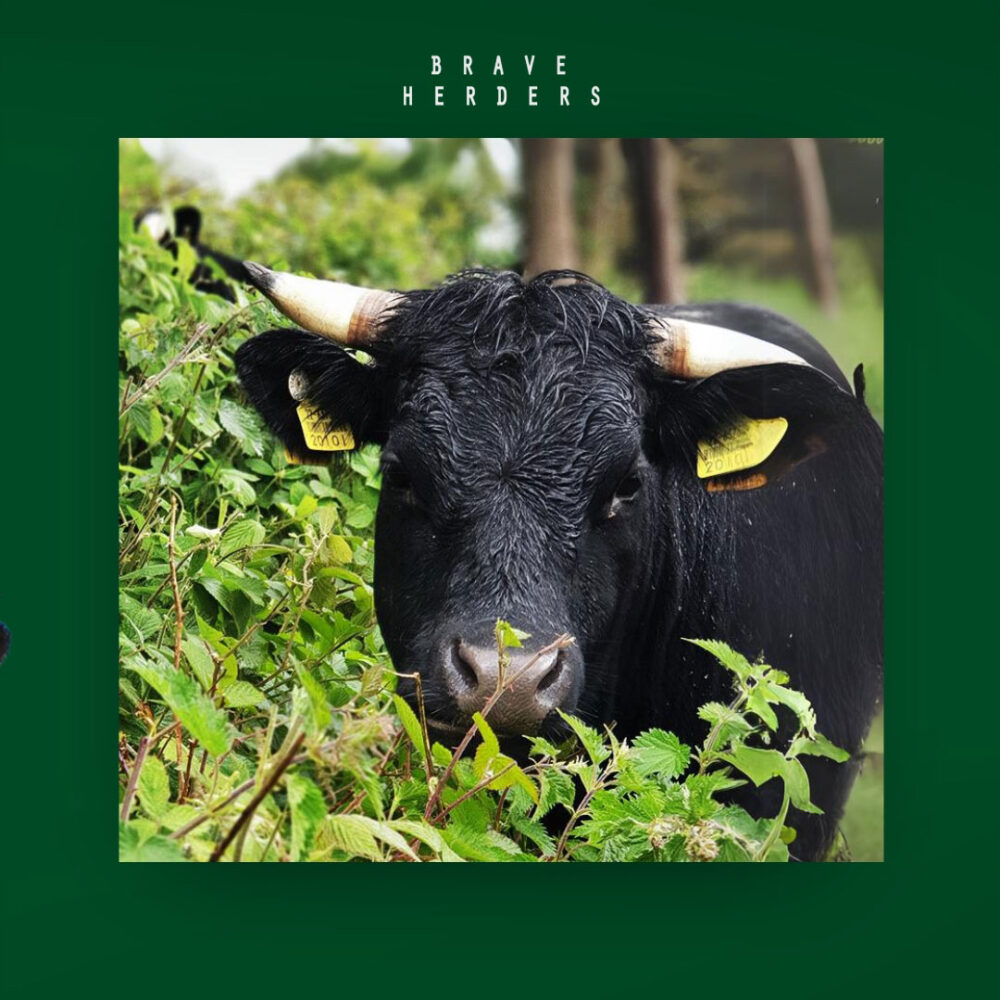
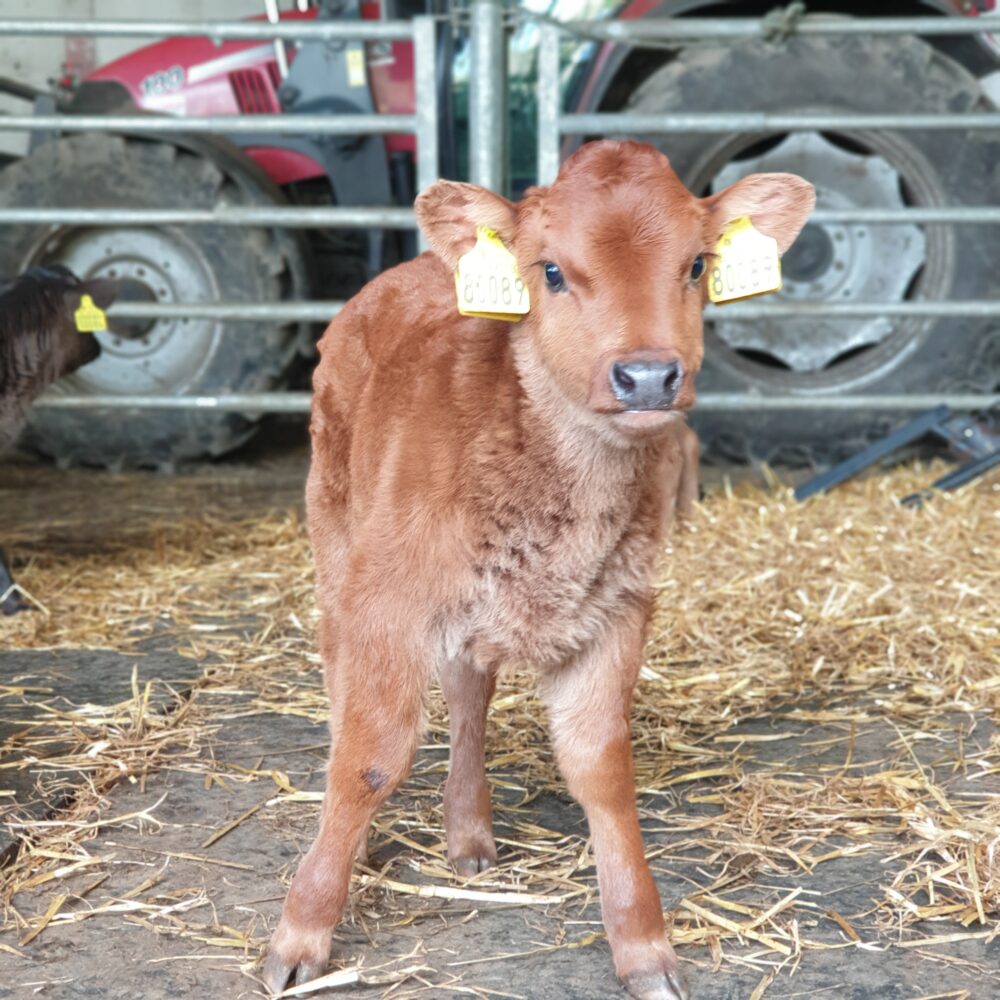
Dexter Cattle

8. The Brave Herder Standard (Dexter Only)

Our guarantee for quality, welfare and flavour:

1. Small Herds Only

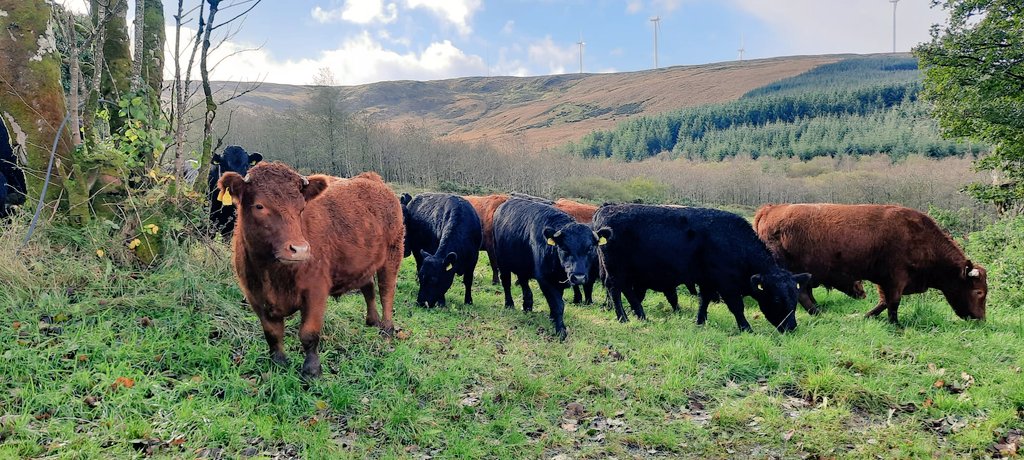
Dexter thrive in small groups — we never scale beyond what’s natural.

2. 10+ Months Outdoors, Grass-Fed on Munster Pasture

Natural herbs, mixed grasses, clean air.

3. Slow-Grown (28–36 Months)

More flavour, better marbling, less water loss.

4. Native Irish Dexter, Never Crossed

Predictable size, predictable quality.

5. Grass-Fed

No intensive systems.

6. Individual Traceability

Every animal tagged and documented.

7. Local Processing Only

We support Munster butchers and reduce transport stress.

8. Ethical, Low-Stress Handling

It matters — for welfare and for eating quality.

This is the standard required by the restaurants we supply — including Michelin-level kitchens.

9. How to Pay

Card, online, phone, or cash — whatever suits you.

10. What To Do Next

Call us.
Buying a whole cow is a big decision, and talking it through is the best place to start.
We’ll explain the differences between whole and half carcasses, freezer space, butcher options, timing, and how the process works from farm → butcher → your freezer.

FAQ: Buying a Whole Cow in Ireland

How much beef do you actually get from a whole cow?

You typically take home 55–65% of the hanging weight after butchery.
Dexter example: ~100kg take-home.
Angus/Hereford example: ~200kg take-home.

What’s the difference between hanging weight and take-home weight?

Hanging weight is the carcass weight after slaughter.
Take-home is what you receive after trimming, boning, and packaging.

How much freezer space do I need?
  • Whole Angus/Hereford: full large chest freezer
  • Whole Dexter: half chest freezer
  • Half Dexter: small chest freezer or large kitchen freezer
Is buying a whole cow cheaper than buying from the supermarket?

If you buy high-quality beef normally, you can save 40–60%.
If you buy supermarket specials, savings may be smaller — but the quality jump is huge.

What cuts do I get?

As a rule of thumb:

  • 25% steaks (fillet, striploin, sirloin, T-bone)
  • 25% roasts (round, rib, chuck)
  • 50% trim (mince or burgers)

Your choices affect the balance.

Can I get all T-bone steaks?

No — choosing T-bones means sacrificing sirloin steaks.
One carcass = real trade-offs.

How do I know if a farmer’s beef is good quality?

Ask about:

  • majority grass-fed
  • low-stress handling
  • small herds
  • age (28–36 months ideal)
  • fat score 3–4 at slaughter
  • local processing
Do all butchers handle whole carcasses?

No. Many don’t.
Always ask first — and give them notice.

Why is Dexter beef ideal for families?

Dexter cattle are naturally 50% smaller than commercial breeds, meaning:

  • easier to store
  • easier to portion
  • more manageable butcher bill
  • better value for whole/half beef buyers
How do I pay for a whole cow?

Card, cash, phone, or online — same as any product.

Should I start with a half cow?

Yes — most first-time buyers start with a half Dexter, love it, and upgrade to a whole.

Your Beef Journey

Step 1 — Choose Your Beef

Whole Dexter or Half Dexter

Step 2 — Call us to confirm & pay

Pay online, phone or cash

Step 3 — Farm → Abattoir → Your Butcher

We deliver the carcass directly to your butcher

Step 4 — Your Butcher → Your Freezer

Steaks, roasts, mince — exactly how you want it

You enjoy restaurant-quality Dexter beef for months.